
From Combat to Connection: Why I Chose to Serve Veterans as a Peer Recovery Coach
By: Victor Trujillo, Warrior/Peer Recovery Coach, Serenity Recovery Connection
My name is Victor Trujillo, and I’m a Warrior/Peer Recovery Coach with Serenity Recovery Connection (SRC). I’m also an Army veteran. I served as an Infantryman and deployed to Afghanistan. For a long time, I tried to carry what I went through on my own, like a lot of us do. I’m writing this because I want people to understand what draws me to this work, what I hope to build for veterans in our community, and why peer support matters.
The Uniform Comes Off, But Not Everything Leaves With It
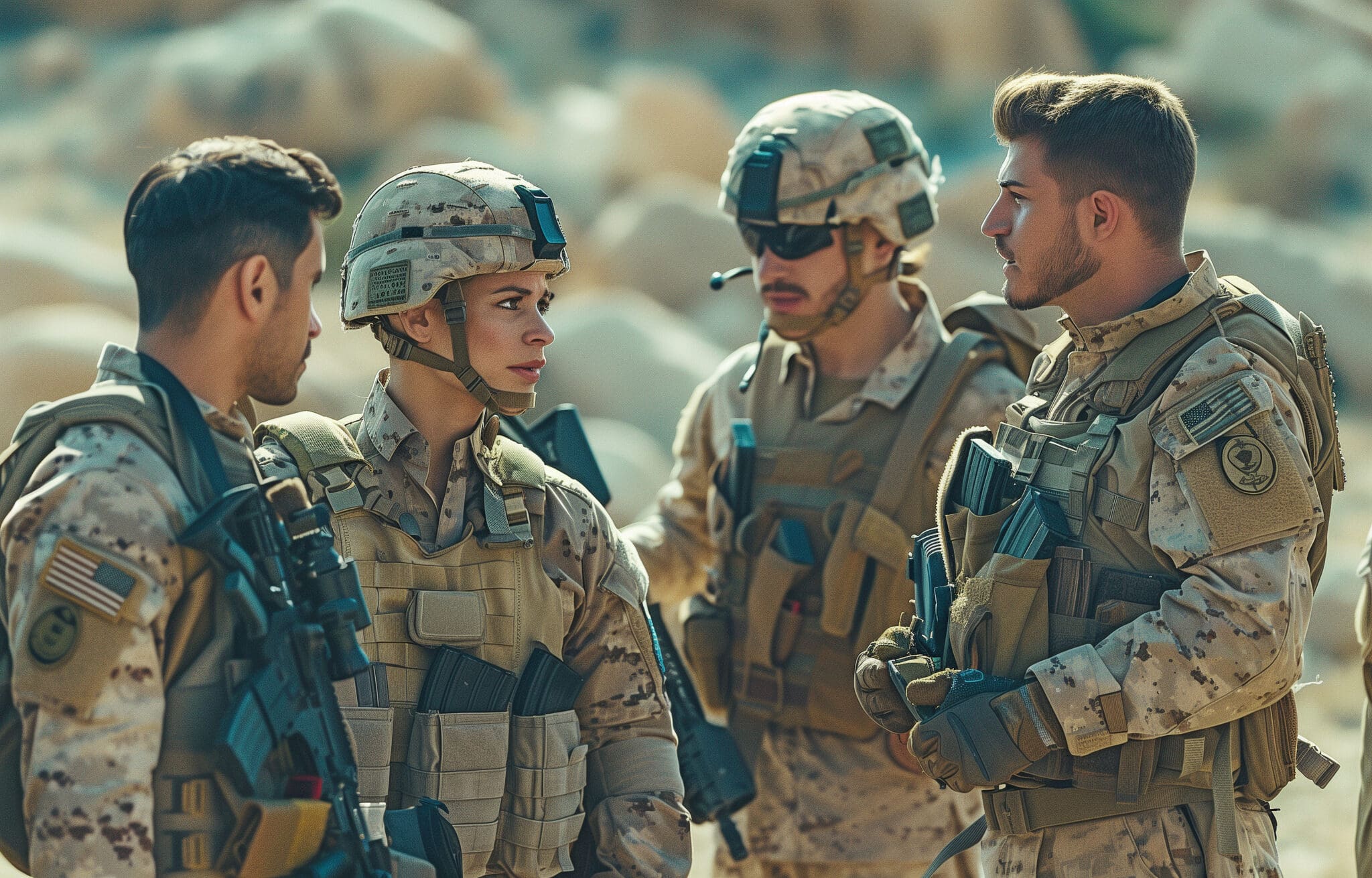
When you’re in the military, you’re trained to push through. You learn how to function under pressure. You learn how to keep going, even when you’re running on fumes. And in a lot of ways, that mindset helps you survive. But once you come home, that same mindset can become a trap. A lot of veterans don’t talk about what they’re carrying. We don’t want to be seen as weak.
We don’t want to feel like a burden. And if you’re a man, especially in certain communities, you’ve probably been
told your whole life to keep it in, handle it, stay tough, don’t complain. That silence can turn into isolation. Isolation
can turn into self-medication. And self-medication can turn into addiction, depression, rage, anxiety, broke
relationships, and feeling like you don’t even recognize yourself anymore. I know that road because I’ve walked it.
My Recovery Is Personal, And It’s Ongoing
I’m recovering from trauma, mental health struggles, and alcoholism. I’m not sharing that for sympathy. I’m sharing it because it’s the truth, and because truth is where change starts. Recovery isn’t just “stopping drinking” or “getting through a program.” Recovery is learning how to live again. It’s rebuilding trust with yourself. It’s learning how to ask for help. It’s about learning to sit with the emotions you used to drown out.
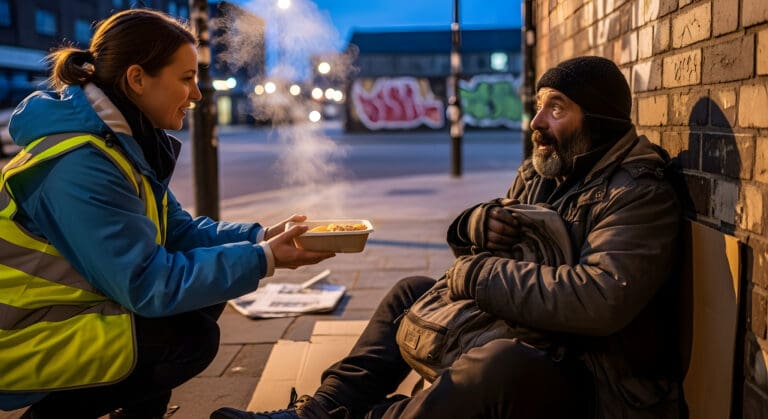
It’s learning new tools, new habits, and a new way forward. And most importantly: recovery is connection. I didn’t get better because someone lectured me. I got better because I found people who understood, who didn’t judge me, who didn’t try to “fix” me, and who reminded me that I wasn’t alone and that I wasn’t beyond repair. That’s what peer support is. It’s not therapy. It’s not case management. It’s not someone talking down to you. It’s someone walking next to you.
Why I Want to Work With Veterans
Veterans deserve support that makes sense for them. A lot of us struggle to trust systems. A lot of us don’t want to feel like a number. And a lot of us don’t know where to start, especially when life is already falling apart. Some veterans are connected to the VA. Some aren’t. Some veterans have benefits. Some don’t. Some veterans have
discharge statuses that make things even harder, and they’ve been made to feel like they don’t “count” or don’t deserve help. That’s notokay with me.
My focus is on reaching veterans wherever they are and helping them navigate the next right step, without shame, without judgment, and without making them prove they’re worthy of support.
What I Want to Build Through SRC
At Serenity Recovery Connection, I want to strengthen the bridge between veterans and real-world support, both VA and non-VA.
Here’s the kind of work I want to do:
- Peer recovery coaching for veterans navigating substance use, mental health, trauma, and life transitions.
- Outreach and relationship-building with local veteran organizations, shelters, treatment providers, and communitypartners.
- Recovery navigation for all levels of care: detox, residential, outpatient, MAT linkage, and long-term recovery support.
- Court support and advocacy when legal issues are involved.
- Groups and community connections that help veterans find belonging again, not just services.
- Support for veterans who feel excluded, including those with complicated discharge situations.
A big part of this is stigma. Veterans often get labeled as “broken,” “dangerous,” or “unstable.” Men often get told they should “man up” and keep going. Both of those messages are deadly when someone is struggling. I want to be part of changing that.


Continuing to Serve, Just in a Different Way
The military taught me service. It taught me brotherhood. It taught me what it means to show up for people. Peer coaching is how I continue that mission. I don’t want to just “help veterans.” I want to stand with them. I want to create a space where they can be honest. Space where they can talk about trauma, addiction, fear, grief, guilt, and everything they’ve been trying to outrun.
Because I know what it feels like to think you’re alone in it. And I also know what it feels like when someone finally looks at you and says, “I get it. I’ve been there. Let’s take the next step together.” That’s what I’m here to do. If you’re a veteran reading this and you’re struggling: you’re not weak. You’re not crazy. You’re not a lost cause. You’re
human, and you’re worth fighting for. And you don’t have to do it alone.