

Building a Recovery Wellness Plan That Truly Works
Recovery doesn’t happen by accident. It’s built with intention, consistency, and support. At Serenity Recovery Connection, we see every day how powerful it can be when people are given the tools and the peer support to chart their own path forward. One of the most effective tools on that path is a Recovery Wellness Plan, a self-directed roadmap that helps people move toward stability, purpose, and long-term well-being.

Unlike clinical paperwork, a personalized recovery wellness plan is written by the individual and supported by a Peer Recovery Coach. It’s practical, empowering, and rooted in the belief that people thrive when they shape their own journey. SRC’s peer-led approach reinforces this: we meet people where they are, honor their lived experience, and walk alongside them as they create a plan that works for their life. If you’ve ever wondered how to build a recovery wellness plan or what goes into writing a recovery plan that supports long-term recovery, this guide offers a clear, compassionate framework.
If you’ve ever wondered how to build a recovery wellness plan or what goes into writing a recovery plan that supports long-term recovery, this guide offers a clear, compassionate framework. At its core, a wellness plan helps someone understand where they are today, envision where they want to go, and break that path into actionable steps for recovery.
But what makes this tool stand out, especially within SRC’s holistic, person-centered model, is its commitment to holistic recovery, honoring the whole person rather than focusing solely on the symptoms of addiction recovery or substance abuse recovery.
Start with the Four Pillars of Recovery
The plan begins with SAMHSA’s four foundational pillars: Home, Health, Purpose, and Community. These pillars provide the basic structure for creating a personalized
recovery roadmap.
- Home: A safe, stable living environment.
- Health: Understanding triggers, managing symptoms, and building habits that
support physical and emotional wellness. - Purpose: Engaging in meaningful daily activities that create independence,
structure, and motivation. - Community: Supportive relationships and social networks that offer connection,
hope, and encouragement.
Coaches guide recoverees in reflecting honestly on each pillar. What feels steady? What needs strengthening? This reflection serves as the foundation for setting goals in
a self-directed recovery plan guide that aligns with the individual’s needs and values.
Using SMART Goals to Make Progress Realistic
Recovery can feel overwhelming when viewed as one huge task. That’s why the
Recovery Wellness Plan incorporates SMART goals—Specific, Measurable, Achievable, Relevant, and Time-Bound. SMART goals turn big hopes into practical steps, helping people create momentum and see progress.
Whether someone is navigating early substance abuse recovery or rebuilding stability years into long-term recovery, SMART goals keep the process
grounded and achievable.
The Eight Dimensions of Wellness
After exploring the four pillars, the plan expands to SAMHSA’s Eight Dimensions of Wellness, offering a whole-person approach to recovery. Many people look for
a recovery wellness plan template, and these dimensions serve as a natural outline. Each section invites the individual to identify a goal, list action steps, choose potential supports, and establish a target date. This structure makes it easier to create a personalized recovery roadmap that fits real life.
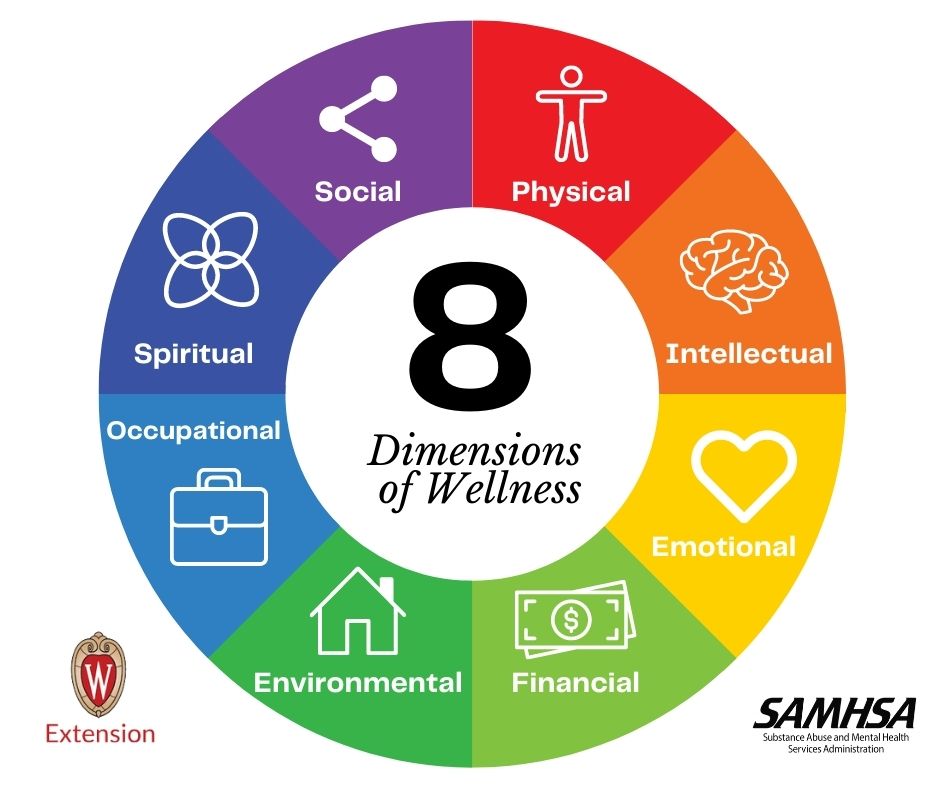
Here’s how each dimension strengthens recovery:
- Occupational Wellness: Finding satisfaction or meaning in work or purposeful activity. Coaches support confidence and celebrate progress.
- Emotional Wellness: Building healthy coping skills, nurturing supportive relationships, and accessing therapy or counseling. Coaches act as steady,
trusted allies. - Environmental Wellness: Creating living conditions and surroundings that support health and safety. Coaches offer honest, practical feedback.
- Physical Wellness: Nutrition, sleep, exercise, medical care, and medication management. Coaches model what healthy routines can look like.
- Intellectual Wellness: Learning new skills, practicing creativity, and breaking old patterns. Coaches help problem-solve and encourage ongoing growth.
- Financial Wellness: Budgeting, paying bills, and managing money. Coaches connect people with community resources and tools.
- Social Wellness: Building healthy relationships, joining support groups, and engaging in community life. Coaches advocate for self-determination and dignity.
- Spiritual Wellness: Exploring meaning, grounding, and purpose. Coaches walk alongside individuals without judgment or assumptions.
These dimensions reinforce that holistic recovery is about more than avoiding harmful behaviors—it’s about building a life that feels full, connected, and worth
protecting.
Planning for Recurrence: Strength, Not Failure
A strong Recovery Wellness Plan includes a Recurrence Safety Plan, a
compassionate strategy for recognizing early signs of relapse risk across
emotional, mental, and physical domains. With their coach, the person in recovery lists triggers, identifies supportive contacts, and creates grounding strategies
to help prevent a slip from becoming a full return to use.
This isn’t about expecting someone to fail. It’s about building resilience and
understanding that recovery is a process—one that becomes stronger with preparation.

A Plan That Belongs to the Person in Recovery
What sets this plan apart from traditional treatment documents is ownership. The person in recovery writes it. They keep it. They update it. The Peer Recovery Coach walks with them, offering honesty, encouragement, and support—but the direction, pace, and goals belong entirely to the individual.
At Serenity Recovery Connection, this is the heart of our work. We don’t hand people a plan—we
help them build one that reflects their strengths, values, and hopes. We honor their autonomy,
celebrate their progress, and stand beside them as they revise, refine, and reclaim their own story.
Over time, the Recovery Wellness Plan becomes more than paperwork. It becomes a guide, a
mirror, and a reminder of inner strength:
I am capable.
I am worthy.
I am building my recovery one intentional step at a time.
And peer recovery coaches are here to walk with them—every step of the way.