
The Middle Path Recovery: Shifting from Addiction and Survival to Purpose, Wellness, and Long-Term Recovery
By Eric Bean, Peer Recovery Coach, Serenity Recovery Connection
From Active Addiction to Survival Mode
My name is Eric. I’m a man in long-term recovery. I guide rural recovery outreach and peer support services across Chaffee, Custer, and Park counties as a Peer Recovery
Coach for Serenity Recovery Connection.
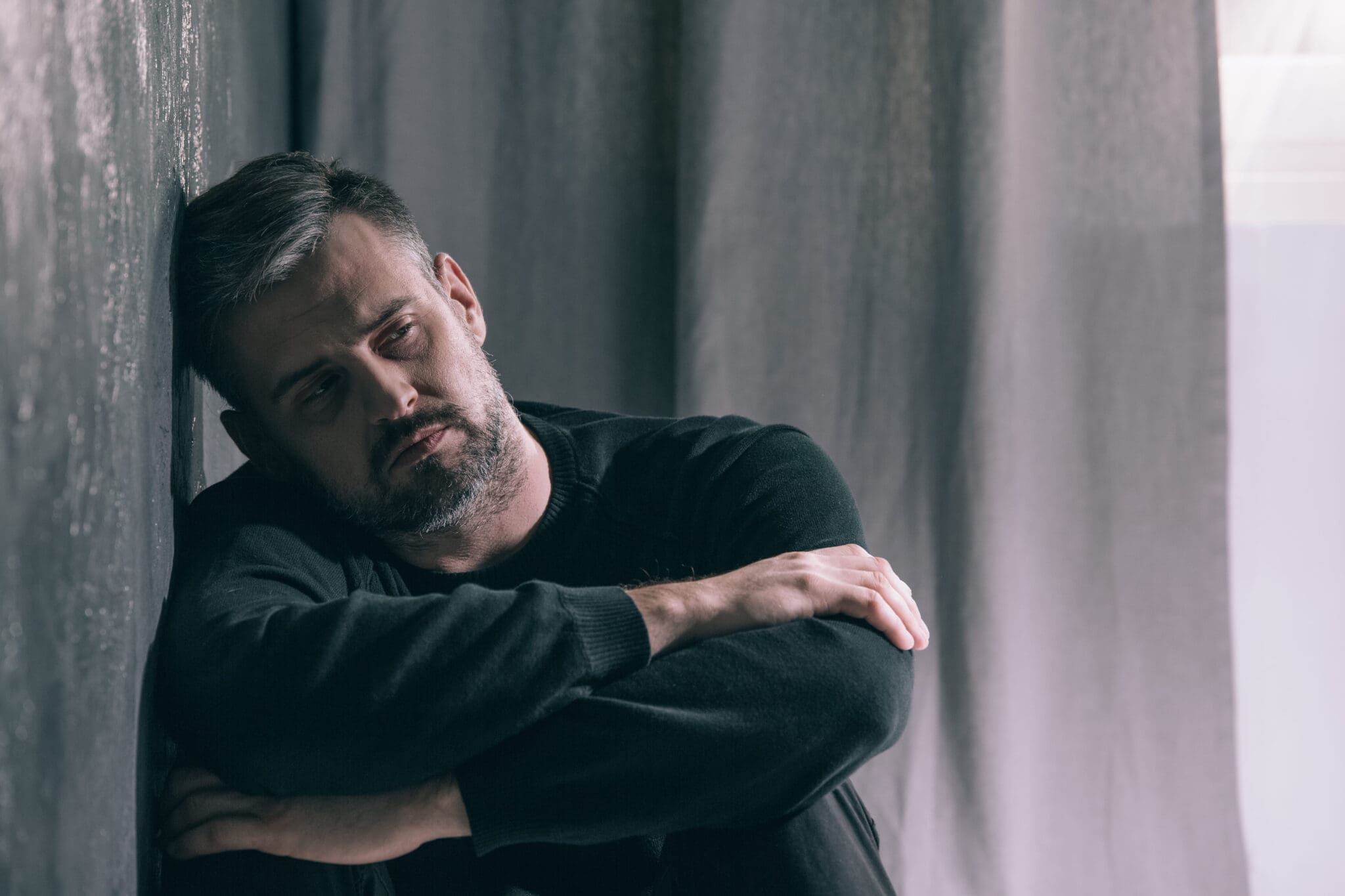
I spent more than two decades in active addiction, during which my physical and mental health, emotional and spiritual wellness, relationships, and sense of purpose were profoundly affected by substance use disorder and unresolved trauma. For over 24 years, addiction shaped how I thought, coped, and moved through the world. It wasn’t a slow inconvenience—it nearly killed me. I wasn’t thinking about recovery, emotional regulation, or healthy coping skills. I was focused on surviving each day, managing discomfort, and avoiding anything that forced me to take an honest look at myself.
When I finally began trying to change, I approached recovery the way many people do. I focused on what I needed to stop. Stop using drugs and alcohol. Stop repeating the same destructive patterns. Stop making the same unhealthy decisions tied to addiction and mental health struggles.
That approach didn’t just fall short—it kept me stuck. The more I focused on what I was trying to avoid, the more I stayed connected to it. My energy, attention, and thinking remained wrapped around the same addiction-related behaviors and
trauma responses, which were causing the suffering in the first place.
Shifting Focus from Avoidance to Purpose
The real shift came when I stopped asking, “What do I need to stop doing?” and started asking, “What kind of life am I trying to build, and who do I want to become?”
That question forced me to look at purpose, wellness, and personal growth in a practical way. What kind of healthy lifestyle did I actually want? How did I want to spend my time and energy? Who did I want to become in long-term recovery?
I started imagining what that version of myself might look like—how that person would think, act, and respond. More importantly, I thought about the outcomes. What would life feel like if I actually made those changes? In many ways, those strengths already existed; they were simply buried under years of guilt, shame, trauma, and poor choices connected to addiction. I began acting in alignment with my ideal self and recovery goals, even when it felt unnatural. It was very much a “fake it till you make it” process rooted in behavior change and self-awareness.
Over time, something began to shift.
What once felt forced became familiar. What once felt unfamiliar became more authentic and more aligned with who I really was. Eventually, this healthier way of living
became more comfortable, while my old addictive behaviors and unhealthy coping patterns became increasingly uncomfortable and disconnected from the person I wanted to be.
Recovery, Neuroscience, and Lasting Change

As I became more comfortable with creating rather than avoiding, another realization
became clear.
When you have direction, purpose, and a vision for wellness, the behaviors that once held so much power begin to lose their grip. Not because you are constantly fighting cravings or controlling every thought, but because your attention and energy are no longer centered on addiction, chaos, or survival. Those patterns lose relevance because they no longer define how you move through life and recovery.
This isn’t just a mindset shift—it’s supported by neuroscience and behavioral health research. What we repeatedly focus on strengthens the neural pathways associated with those thoughts and behaviors. When your focus remains fixed on what you are trying to avoid, you continue to reinforce addiction-related patterns. But when you shift your
attention toward recovery, wellness, purpose, and the life you want to create, you begin building new neural pathways that support healthier behaviors, emotional resilience, and sustainable recovery outcomes.
That understanding became the foundation of how I work with people today as a Peer Recovery Coach in Southern Colorado.
A Holistic Approach to Addiction Recovery
As a Peer Recovery Coach with Serenity Recovery Connection, I don’t treat recovery like an unattainable goal or a life sentence tied to identifying as an addict forever. Recovery is much more aligned with holistic wellness and lifestyle change. It comes down to the habits we build and the daily decisions we make to support our physical health, mental wellness, emotional balance, spiritual growth, and quality of life. The same applies to addiction recovery. It’s about developing healthier coping skills, building
self-awareness, and creating a balanced, meaningful life.
The people I work with are in recovery from alcohol and drug addiction. Many are also navigating trauma, mental health challenges, anxiety, depression, stress, and isolation.
Regardless of the circumstances, we all eventually face similar questions:
- How do I build a life that reflects who I truly want to be?
- How do I shift my energy away from avoiding pain and toward creating purpose and stability?
- What are the underlying causes behind the suffering I’ve been experiencing?
For meaningful, lasting recovery to happen, those underlying conditions have to be acknowledged. As Dr. Gabor Maté has pointed out, not everyone who experiences trauma develops addiction, but everyone who struggles with addiction has experienced trauma.

Peer Support, Trauma, and Recovery Wellness
My role is not to treat trauma directly—that work belongs to licensed behavioral health and mental health professionals. But I can help people recognize that deeper issues may be contributing to their patterns, while supporting them in connecting with recovery resources, peer support services, and appropriate care.
At the same time, we continue moving forward. We work on awareness, healthy structure, emotional resilience, and building recovery capital. We look at the whole picture through a holistic recovery lens: What are we focused
on? How are we spending our time and energy? What habits are shaping our lives? What is happening physically, mentally emotionally, socially, and spiritually? Where are we out of balance?
I encourage the people I work with to discover their own sense of purpose—not based on outside expectations, but on what genuinely feels meaningful and authentic to them. From there, the shift begins.
Less energy spent trying to avoid what they don’t want. More energy directed toward creating the life, recovery, and wellness they do want.
This includes building emotional intelligence, accountability, stress management skills, healthier daily habits, structure, community support, and long-term stability. It is a holistic recovery process centered on balance and sustainability rather than extremes.
As awareness grows, people naturally begin making healthier and more intentional choices that align with the lives they want to build.
Recovery as Purpose, Service, and Leadership
Over time, this work stopped being something I was just doing for myself. It became the foundation for how I live, serve, and show up in the recovery community.
Vocation, service, peer support, and leadership are not separate. Vocation is how I choose to spend my time and energy. Service is how I use that energy to support people in recovery. Leadership is how consistently I show up in alignment with my values and recovery principles.
Remembering Who You Already Are
This work is not about becoming someone new. It’s about clearing away what has been
covering up who you already are beneath the trauma, addiction, shame, and suffering. When that clarity begins to emerge, the way you think, the choices you make, and the way you move through the world start changing in a more natural and lasting way—without needing to define yourself solely through addiction for the rest of your life.