

Managing Holiday Stress In Recovery Without Substances
The holidays are often seen as a time of joy, connection, and celebration. For many in
recovery—or those questioning their relationship with substances—they can also bring
more stress, emotional triggers, and social situations involving alcohol or other substances. If navigating recovery during the holidays feels difficult, you’re not alone.
Recovery is deeply personal. That’s why SRC is based on a multiple pathways recovery model, providing peer support that respects different beliefs, experiences, and approaches.
Whether you’re new to recovery, exploring change, or have years of experience behind you, the
Holidays can be managed in ways that protect your well-being and build your resilience.


Understanding Holiday Stress and Recovery
Holiday stress is common, especially when routines are disrupted and expectations are high. Family dynamics, social obligations, and memories of past holidays can all intensify emotional discomfort. Experiencing stress or cravings during this time does not mean your recovery is failing; it means your nervous system is responding to increased demands.
Positive psychology offers a helpful reframe: stress and cravings are signals, not shortcomings. They invite awareness and self-care. Asking yourself simple questions like “What do I need right now?” or “What would support my recovery today?” can help shift your focus from pressure to intention.
Practices such as mindfulness, grounding techniques, and gratitude can reduce stress and increase emotional regulation. Gratitude doesn’t require ignoring difficult emotions. It can be as simple as noticing a moment of calm, a supportive interaction, or a small choice that helped you avoid substance use.
Using Boundaries to Avoid Substance Use During the Holidays
Setting boundaries is one of the most effective strategies for managing holiday stress in recovery. Boundaries protect your time, energy, and emotional safety, and they are a legitimate recovery tool.
Boundaries might include leaving gatherings early, declining invitations, or skipping events that feel unsafe or overwhelming. You are not required to explain or justify your recovery choices. Having prepared responses such as “I’m focusing on my health” or “I have other plans” can reduce anxiety in social situations.

A multiple pathways approach also recognizes that avoidance isn’t the only option. Some people choose to attend gatherings with a plan: bringing nonalcoholic
drinks, arriving with a supportive friend, or scheduling check-ins before and after events. What matters is having choices that help you avoid substance use while staying
connected in ways that feel manageable.
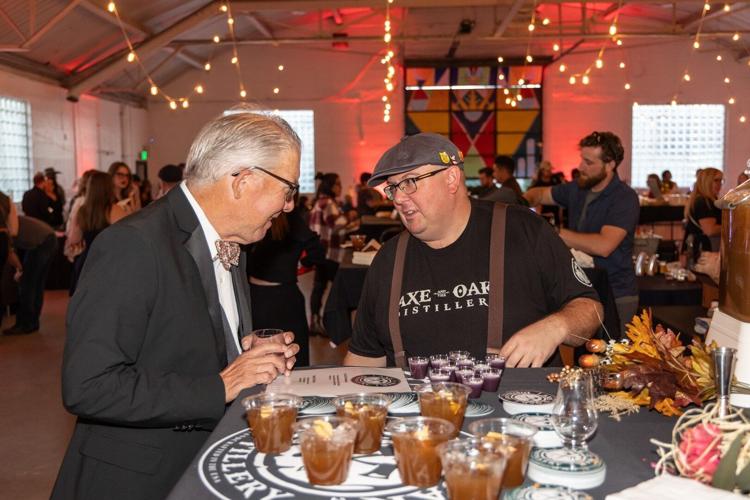
You might try one of the non-alcoholic drinks that Jeff Dew featured in his article What to Drink When You’re Not Drinking This Holiday Season. You’ll find that walking around with a colorful drink in your hand that you sip through the festivities will ease a lot of that pressure to drink without having to explain yourself.
The Role of Peer Recovery Support
Connection serves as a strong protective factor against recurrence. The holidays can heighten feelings of loneliness, especially for those new to recovery, grieving, or
estranged from family. Peer recovery support provides shared understanding, lived experience, and connection without judgment.
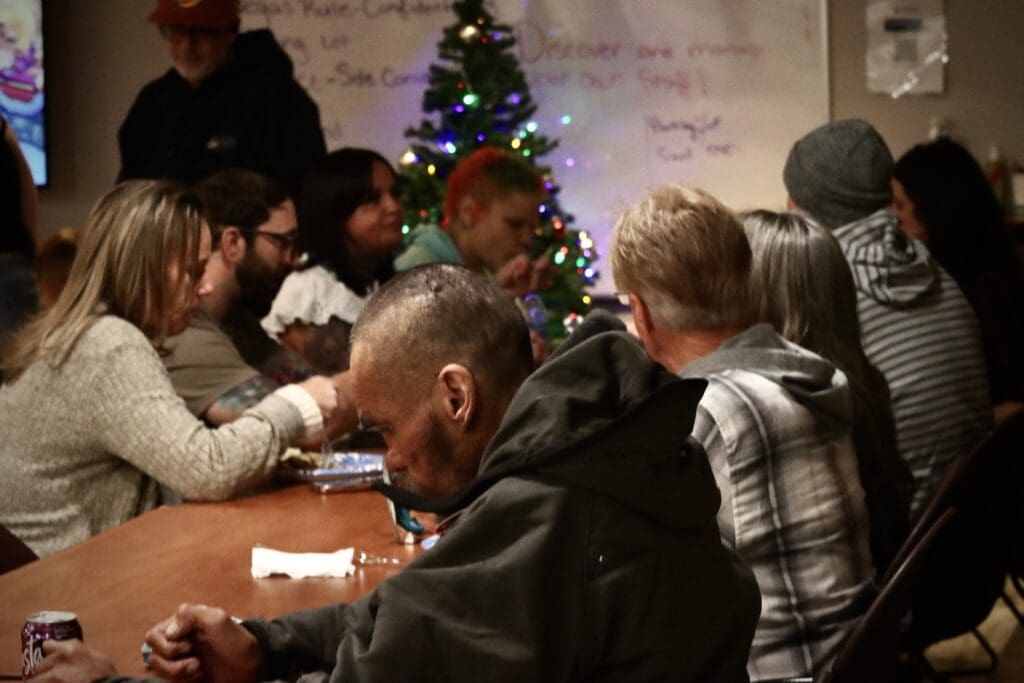
Staying connected during the holidays might involve attending recovery meetings, checking in with a peer, volunteering, or joining substance-free community activities.
Even quick interactions can lessen feelings of isolation and remind you that support is there.
Peer recovery emphasizes that you don’t have to navigate holiday stress alone. Being understood, without having to explain yourself, can ease emotional pressure and
strengthen recovery during a challenging season.
Creating Meaning Beyond Holiday Traditions
Holiday traditions often come with rigid expectations about how things should look or feel. Positive psychology encourages creating meaning that aligns with your values rather than external pressure.
Meaningful experiences don’t have to involve large gatherings or celebrations. They can include quiet
routines, reflection, creative expression, time in nature, or acts of service. Recovery itself is meaningful.
And honoring your progress can help counterbalance holiday stress.
Letting go of “shoulds” creates space for choice. You are allowed to design holidays that support your recovery, even if they look different from the past.
Progress, Not Perfection, in Recovery
Avoiding substance use during the holidays isn’t about being perfect. It’s about awareness, support, and compassion. If something doesn’t go as planned, it doesn’t
cancel out your recovery or growth.
Peer recovery teaches us that setbacks don’t define us—connection does. Support is always available, and every day offers a chance to recommit to your well-being.
This holiday season, give yourself credit for the effort you’re making. Whether you lean on peer recovery support, explore new coping strategies, or simply survive a difficult moment without using substances, you are doing meaningful work.
At Serenity Recovery Connection, we’re here to walk alongside you during the holidays and beyond.